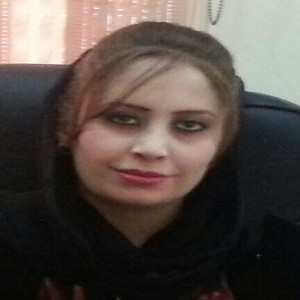
أنا  Awat Mustafa Abbas


Assistant professor

التخصصات

Molecular Genetics

التعليم

PhD

Biology من Zakho

2023

MSc

Biology من Zakho

2013

BSc

Biology من Duhok

2008

اللقب العلمي

Assistant professor

2024-09-22

Lecturer

2016-07-12

assistant lecturer

2013-07-29

البحوث العلمية

Clinica Chimica Acta (القضية : 120559) (الحجم : 578)
The role of thyroid peroxidase gene variant rs2175977 in subclinical hypothyroidism and autoimmune thyroid response

A B S T R A C T Aim: Study investigated the association of the... See more

A B S T R A C T Aim: Study investigated the association of the thyroid peroxidase (TPO) gene polymorphism with Subclinical hypothyroidism (SCH) risk. Methods: A case-control study of 78 SCH patients SCH and 75 controls. Genomic DNA extracted from the blood, and the rs2175977 SNP in the Exon 8 of the TPO gene was genotyped through the PCR and Subsequent RFLP by SgrBI digestion. Statistics assessed genotype frequencies, allelic distributions, and associations with biochemical parameters. Results: The GG genotype was significantly more in controls compared to SCH patients (p = 0.0039), while GC and CC genotypes were more prevalent in SCH. The C allele was significantly associated with increased SCH risk (p = 0.0006; OR = 0.3887). The GC and CC variant had significantly higher levels of Anti-TPO antibodies (p = 0.0429). Conclusion: A TPO gene polymorphism, has been linked to increased risk of SCH and an elevated level of anti-TPO antibodies, indicating thyroid autoimmune disorder.

 2026-01
Molecular Biology Reports (القضية : 1049) (الحجم : 52)
Thyroid peroxidase gene variants and autoimmunity in subclinical hypothyroidism: molecular mechanisms and clinical implications

Abstract Subclinical hypothyroidism (SCH), characterized by elevated thyroid-stimulating hormone (TSH) levels with normal thyroid hormone... See more

Abstract Subclinical hypothyroidism (SCH), characterized by elevated thyroid-stimulating hormone (TSH) levels with normal thyroid hormone concentrations, is a common endocrine disorder with potential to progress to overt hypothyroidism. Autoimmune thyroiditis particularly Hashimoto’s disease is the predominant cause, often marked by the presence of anti-thyroid peroxidase (TPOAbs) antibodies. Thyroid peroxidase (TPO), a key enzyme in thyroid hormone biosynthesis, also serves as a major autoantigen in autoimmune thyroid disorders. This review highlights the dual enzymatic and immunogenic roles of TPO, emphasizing the structural domains critical for both hormone synthesis and antibody binding. Recent evidence links several TPO gene polymorphisms especially in exons 8, 11, and to increased TPOAbs antibody titers and susceptibility to SCH. We further examine the role of gene–environment interactions, including micronutrient deficiencies (vitamin D, B12, iron), iodine status, and demographic factors (age, sex), in modulating immune responses and thyroid function. Exon 8 variants are increasingly recognized as immunogenic hotspots but remain underexplored, particularly in Middle Eastern populations. Understanding these genetic and environmental determinants may improve early diagnosis, enable risk-based screening, and inform personalized prevention strategies. This review advocates for expanded population-specific studies and supports integrating genetic markers with clinical parameters to refine SCH detection and management.

 2025-10
The Egyptian Journal of Internal Medicine (القضية : 159) (الحجم : 37)
Association of Endothelin‑1 (EDN1) rs5370 polymorphism and serum ET‑1 levels with coronary artery disease and hypertension in Duhok Province population

Abstract Background Coronary artery disease (CAD) and hypertension are major cardiovascular diseases (CVDs) influenced by... See more

Abstract Background Coronary artery disease (CAD) and hypertension are major cardiovascular diseases (CVDs) influenced by both environmental and genetic factors. Endothelin-1 (ET-1), a potent vasoconstrictor encoded by the EDN1 gene, is involved in vascular regulation. The rs5370 (G + 691 T, Lys198Asn) polymorphism has been associated with CVD susceptibility, though findings differ by population. This study assessed the association between EDN1 rs5370 polymorphism, serum ET-1 levels, and CVD risk in the Duhok population. Methods A case–control study included 202 individuals (> 35 years) divided into four groups: controls, CAD-only, hypertension-only, and combined CAD-hypertension. Genomic DNA was genotyped using allele-specific PCR. Serum ET-1 was measured using ELISA. Statistical analyses included Chi-square, ANOVA, Pearson correlation, and ROC curve analysis. Results The TT genotype was significantly more prevalent in CAD (28.0%) and CAD + hypertension (21.3%) groups compared to controls (6.7%) (P = 0.0002 and 0.0183, respectively). No significant differences were found in the hypertension- only group. Serum ET-1 levels were highest in the CAD + hypertension group. A strong positive correlation was found between TT genotype and ET-1 levels (r = 0.7310). ROC analysis identified systolic pressure (AUC = 0.787) and age (AUC = 0.782) as key diagnostic markers. Conclusion The EDN1 rs5370 TT genotype is significantly associated with increased CAD and combined CVD risk in the Duhok population. While group differences in ET-1 levels were evident, genotype-dependent differences were only seen through correlation analysis. The rs5370 polymorphism may serve as a genetic marker for CAD susceptibility.

 2025-10
Expert Review of Endocrinology and Metabolism
Thyroid Function and Its Association with Vitamin Deficiencies: A Case-Control Study in Duhok

Abstract Background: Hypothyroidism, characterized by insufficient thyroid hormone production, is a common endocrine disorder with... See more

Abstract Background: Hypothyroidism, characterized by insufficient thyroid hormone production, is a common endocrine disorder with significant health implications. Recent studies suggest that micronutrient deficiencies, particularly in vitamin D, vitamin B12, and ferritin, may contribute to thyroid dysfunction. This study aims to explore the relationship between hypothyroidism and these micronutrient deficiencies in a clinical setting. Research design and methods: A case-control study was conducted between September and December 2024 at Duhok Azadi Hospital, Iraq. A total of 885 participants were included, with 170 hypothyroid patients and 715 healthy controls. Serum levels of TSH, T3, T4, vitamin D, vitamin B12, and ferritin were measured. Multivariable regression analysis was used to examine the associations between thyroid function and micronutrient status. Results: Hypothyroid patients had significantly higher TSH (9.4 ± 11.5 vs. 1.8 ± 0.8 mIU/L, p < 0.0001) and lower T4 (116.1 ± 28.6 vs. 129.2 ± 27.4 nmol/L, p < 0.0001) compared to controls. Vitamin B12 and ferritin levels were also lower in the hypothyroid group (p < 0.0001), while vitamin D showed no significant difference (p = 0.0524). Conclusion: Hypothyroidism is associated with vitamin B12 and ferritin deficiencies, highlighting the importance of micronutrient in thyroid dysfunction management. Future studies should explore autoantibodies.

 2025-02
Egyptian Academic Journal of Biological Sciences (القضية : 2) (الحجم : 16)
Cytotoxicity and Mito-depressive Effect of Synthetic Lemon Flavour Food Dye on Allium Cepa Root Tips

Synthetic food dyes have garnered significant attention due to potential health risks, including cytotoxicity, allergenicity,... See more

Synthetic food dyes have garnered significant attention due to potential health risks, including cytotoxicity, allergenicity, and even carcinogenicity observed in animal models. Given the widespread use of artificial food dyes in the food industry and potential concerns regarding their safety, this investigation could explore the influence of a lemon-flavored food dye on Allium cepa L.. Onion root tip meristems were exposed to various concentrations (0%, 0.25%, 0.5%, 1%, and 2%) of food dye in aqueous solutions for 24 hours at room temperature. A concentration-dependent detrimental effect was observed on all evaluated morphological parameters, including root number, root length, dry weight, and wet weight, with the control group exhibiting the highest values and the 2% treatment group displaying the lowest. Mitotic analysis revealed normal cell division in the control group, but increasing food dye concentrations induced a spectrum of chromosomal aberrations, suggesting disruption of spindle fibers and chromosome cohesion defects. The control group displayed the highest mitotic index (MI) of 9.2, with a positive correlation observed between increasing food dye concentration and the frequency of mitotic abnormalities (0.3 in control vs. 16.8 at 2% treatment). The most prevalent abnormality was multipolar anaphase (5.4 at 2% treatment), while anaphase bridge displayed the lowest incidence (1.7 at 2% treatment). This is evidenced by the significant decrease in root growth parameters (length and number) and (MI), a key indicator of cell division activity. Furthermore, the observed chromosomal aberrations, including sticky metaphase, C-mitosis, laggard chromosomes, anaphase bridges, and multipolar anaphase, are strong indicators of potential genotoxicity.

 2024-07
Egyptian Journal of Veterinary Sciences (القضية : 11100222) (الحجم : 55)
Kappa-Casein Gene (CSN3) Polymorphisms Detection in Three Indigenous Iraqi Goat Breeds, Using PCR-RFLP and SNP Markers

MILK contains a protein called kappa-casein, which controls the function and size of milk micelles... See more

MILK contains a protein called kappa-casein, which controls the function and size of milk micelles as well as their ability to form and stabilize. Kappa-Casein gene (CSN3) polymorphisms were investigated in 70 Domestic (Native and Meriz goat) and Wild goat using the PCR-RFLP method and direct sequencing. CSN3-Hea III/RFLP revealed two homozygous genotypes AA and BB. For the AA and BB genotypes, the computed genotype frequencies were (0.87) and (0.13), respectively. The allelic frequency was 0.87 for the A allele and 0.13 for the B allele. The sequence data of CSN3 gene of Meriz and Wild goats revealed 2 SNPs in functional region, one SNP of Wild (ACC. No: OR050625.1), and one in Meriz goat (ACC. No: OR050626.1). In position 415 in Wild goat, the amino acid Methionine changed to Isoleucine by changing (ATG) to (ATA). On the other hand, the point mutation in Meriz goat at the positions 449 led to change amino acid Valine to Isoleucine by alternation (GTC) to (ATC). The PCR-RFLP and SNP analysis is a powerful tool for the genetic study of CSN3 variability in domestic and wild goats, allowing both the simultaneous identification of different alleles, and the detection of new variants. Establishing relationships between genotypes and both quantitative and qualitative milk qualities will require additional investigation.

 2023-11
Bulgarian Journal of Veterinary Medicine
GROWTH HORMONE GENE POLYMORPHISM IN DOMESTIC AND WILD GOAT BREEDS IN KURDISTAN REGION OF IRAQ USING PCR-RFLP AND SNP MARKERS

In Iraq generally and Kurdistan region especially, goats are an important resource for meat and... See more

In Iraq generally and Kurdistan region especially, goats are an important resource for meat and milk production. It is well known that growth hormone (GH) is involved in a variety of biological activities in livestock animals, including reproduction, growth, lactation, metabolism etc. The goal of this research was to reveal the polymorphism of GH gene in different Capra hircus breeds (native, Shami, Meriz and Kamori goat) and in wild mountain goat (Capra aegagrus) via PCR-RFLP technique and direct seqencing. GH1 (exon 2 and 3) and GH2 (exon 4) polymorphisms on the GH gene were investigated. In all breeds, GH1-Hae III/RFLP revealed only two genotypes (homozygous AA and heterozygous AB), with absent genotype BB. The genotype frequency was 0.886 for the AB genotype and 0.114 for the AA genotype; the allelic frequency was 0.558 for the A allele and 0.442 for the B allele. The average of observed heterozygosity was 0.882 and observed homozygosity was 0.118, indicating that the GH1 was polymorphic. The sequence data of GH1 gene of Meriz and wild goats revealed a SNP at the position 58 (C to T) of the wild goat that has led to a change in amino acid proline to serine. GH2 digestion by Hae III, on the other hand, was monomorphic with the CC homozygous genotype. The results of PCR-RFLP and SNP experiments from this investigation were evaluated as very useful in genotype analysis of local goat breeds/populations. Thus, DNA polymorphisms in the growth hormone gene could be used as reliable genetic markers in breeding programmes in this region.

 2022-08
Bulgarian Journal of Veterinary Medicine (القضية : 11100222) (الحجم : 55)
Kappa-Casein Gene (CSN3) Polymorphisms Detection in Three Indigenous Iraqi Goat Breeds, Using PCR-RFLP and SNP Markers

MILK contains a protein called kappa-casein, which controls the function and size of milk micelles... See more

MILK contains a protein called kappa-casein, which controls the function and size of milk micelles as well as their ability to form and stabilize. Kappa-Casein gene (CSN3) polymorphisms were investigated in 70 Domestic (Native and Meriz goat) and Wild goat using the PCR-RFLP method and direct sequencing. CSN3-Hea III/RFLP revealed two homozygous genotypes AA and BB. For the AA and BB genotypes, the computed genotype frequencies were (0.87) and (0.13), respectively. The allelic frequency was 0.87 for the A allele and 0.13 for the B allele. The sequence data of CSN3 gene of Meriz and Wild goats revealed 2 SNPs in functional region, one SNP of Wild (ACC. No: OR050625.1), and one in Meriz goat (ACC. No: OR050626.1). In position 415 in Wild goat, the amino acid Methionine changed to Isoleucine by changing (ATG) to (ATA). On the other hand, the point mutation in Meriz goat at the positions 449 led to change amino acid Valine to Isoleucine by alternation (GTC) to (ATC). The PCR-RFLP and SNP analysis is a powerful tool for the genetic study of CSN3 variability in domestic and wild goats, allowing both the simultaneous identification of different alleles, and the detection of new variants. Establishing relationships between genotypes and both quantitative and qualitative milk qualities will require additional investigation.

 2022-02
zanco juornal of pure and applied sciences
Genetic diversity among Walnuts ( Juglans regia ) population in Kurdistan Region – Iraq using AFLP-PCR

In this study, the genetic relatedness of five walnut populations in five different locations: Bedohe... See more

In this study, the genetic relatedness of five walnut populations in five different locations: Bedohe (Kanimase), kanizarke (Akre), kuzo (Zawita) , Kashane (Batifa) and Sharaneshe (Darkare) in Duhok Governorate-Kurdistan region/Iraq was analyzed using fifteen AFLP primers pairs. Similarity matrices were obtained based on the AFLP data to analyze genetic distance. Genetic diversity coefficient ranged from 0.1075 to 0.2540. The lowest genetic similarity was detected between sharansh and Akri (0.1075). The kanemas and Akri populations were most similar ones with coefficient of 0.2540. Clustering based on AFLP data for the five walnuts populations was identified at the 0.21 similarity level and two main clusters were identified, Cluster one included three populations: Akri, sharansh and bedoh; cluster two was composed of two populations: kanemas and Kuzo. Total generated bands screened from 15 primers were 517 bands for the five walnut populations with an average of 34.46 per primer, which 294 were polymorphic bands with an average of 19.6 polymorphic loci per primer.

 2016-10
science journal of university of zakho
Molecular Characterization of Fasciola spp. Isolated from the Gallbladder of Infected Cattle in Duhok Province, Kurdistan Region/ Iraq

Fascioliasis caused by the liver flukes of the genus Fasciola is considered as the most... See more

Fascioliasis caused by the liver flukes of the genus Fasciola is considered as the most significant Trematodes infection of ruminants in both temperate and tropical countries. In the present study fifty adult Fasciola flukes (Platyhelminthes: Trematoda: Digenia) were collected from the bile ducts and gallbladder of infected bovine hosts (cattle) slaughtered at Duhok abattoir, Kurdistan region, Iraq. Genomic DNA extraction was performed using a Genomic DNA Extraction kit. ITS-1 and ITS-2 ribosomal DNA sequences have been used to characterize these liver flukes as a specific marker. The PCR products were separated by electrophoresis in 1.5% agarose gel, visualized by staining with ethidium bromide, and photographed. ITS-2 marker for F. hepatica was amplified successfully and the length of produced band for ITS-2 was 330 bp. The present study is the first trail for molecular characterization of F. hepatica in cattle in Duhok, Kurdistan Region, Iraq using the ITS-2 rDNA as a reliable genetic marker.

 2016-06
science journal of university of zakho
Characterization of Five Microsatellite Markers for Genetic Diversity Structure Analysis of Walnut (Juglans regia L) in Five Village in Duhok Province

Five microsatellites markers (WGA202, WGA009, WGA332, WGA225 and WGA069) were used to characterize Persian walnuts... See more

Five microsatellites markers (WGA202, WGA009, WGA332, WGA225 and WGA069) were used to characterize Persian walnuts (Juglans regia L.) populations in five villages (Sharanesh, Bedohe, Kanizarke (Akre), Kashane and Kuzo) of Duhok province. The microsatellites amplified (PCR products) a total of 186 alleles across all populations. The number of alleles per locus ranged from 4 alleles in Sharanesh and Kashane populations to 10 alleles also in Sharanesh and Kashane populations, with an average of 7.4. The molecular sizes of the amplified bands ranged from 158 bp to 289 bp in all populations. The observed heterozygosity (Ho) within populations ranged from 0.59 at WGA225 to 0.65 in the locus WGA202 with an average of 0.61. The PIC value (0.88) indicated that all markers were highly informative and useful for genetic diversity studies in these populations. The proportion of genetic variation presented among populations accounted for 8.4% of the total genetic diversity so it indicated a moderate level of genetic diversity between populations. The Fis average 0.24 indicated that, there was a regular tendency toward heterozygote deficiency and indicated the presence of inbreeding within the populations. The phylogenetic analysis or unrooted neighbor-joining tree highlighted the genetic distance among those five populations and separated them into two main groups placing each population according to its genetic background. The first group consists of populations Bedohe and Sharanesh in one subgroup and Kashane in second subgroup. The second group consists of populations Akre and Kuzo.

 2015-09

الاطاريح

2022-12-22
Molecular Analysis and phylogenetic Study of Goat Breeds (Capra hircus and Capra aegagrus) Populations Using SNP and PCR-RFLP Markers in Duhok Province/Kurdistan Region of Iraq

Summary: In Iraq generally and Kurdistan Region especially, goat (Capra hircus) are an important resource... See more

Summary: In Iraq generally and Kurdistan Region especially, goat (Capra hircus) are an important resource for meat and milk production. The main goal of this research was the use of PCR-RFLP and direct sequencing markers to reveal DNA polymorphisms in different growth trait genes, namely, Growth hormone gene (GH), Myostatin gene (MSTN) and Bone morphogenetic protein -15 (BMP-15), in 71 goat samples of different goat breeds in Kurdistan region -Iraq including Native, Shami, Meriz and Kamori (Capra hircus) and the wild mountain goat (Capra aegagrus). A number of genetic parameters were also calculated and the data obtained were further used to determine the genetic diversity and genetic relationship among the local goat breeds. The results of GH1- Hea III/ RFLP (exon 2 and 3) revealed only two genotypes in all breeds were the homozygous AA and heterozygous AB, with absence of genotype BB. The calculated avrege of genotype frequency was 0.886 for the AB genotype and 0.114 for the AA genotype. The avrege of allelic frequency was 0.558 for the A allele \and 0.442 for the B allele. The average of observed heterozygosity was 0.882 and observed homozygosity was 0.118, indicating that the GH1 was polymorphic. The sequence data of GH1 gene of Meriz and wild goats revealed 82 SNPs in intron region. Additionally, in exon re-gion there were 7 SNPs in both breed samples which led to change amino acid sequence. The results of GH2 (exon 4) digested using Hae III, on the other hand, was shown to be monomorphic with the CC homozygous genotype. The calculated allele frequency was 1.000 for C allele and 0.000 for D allele in all goat breeds. The average of observed heterozygosity in this region was 0.000 and the observed homozygosity was 1.000. The sequence data of GH2 gene of Meriz goat revealed 9 SNPs in functional region which led to change the amino acid sequence. The MSTN (exon 1) polymorphisms were investigated in all breeds, MSTN-Dra I/RFLP revealed three genotypes AA and BB were homozygous and AB was heterozygous. The calculated avrege of genotype frequencies were 0.270, 0.368 and 0.362 for AA, BB and AB genotype respectively. The avrege of allelic frequency was 0.451 for the A allele and 0.549 for the B allele. The average of observed heterozygosity was 0.362 and observed homozygosity was 0.638. The sequence data of MSTN gene of Native and Shami goats revealed 30 SNPs in nonfunctional region. Also, in exon region there was 1 SNPs in both breed samples which did not change amino acid sequence and its silence mutation. The BMP-15 (exon 2) polymorphisms were also investigated in all breeds, where BMP-15-Hinf I/RFLP revealed three genotypes: AA and BB were homozygous, and AB was heterozygous. The avrege of genotype frequencies were 0.2, 0.6 and 0.2 for AA, BB and AB genotype respectively. The avrege of allelic frequency was 0.3 for the A allele and 0.7 for the B allele. The average of observed heterozygosity was 0.2 and observed homozygosity was 0.8. The sequence data of BMP-15 gene of Native, Shami and Wild goats revealed 20 SNPs in exon region in all breed samples which led to change amino acid sequence. The phylogenetic analysis or unrooted neighbor-joining tree highlighted the genetic distance among those five goat populations and separated them into two main groups according to their genetic differentiation that present among them and according to the geographical distribution. The first group consisted of Kamori, Meriz, Native, Shami (Capra hircus) while the second group included only Wild goat (Capra aegagrus).

 2022
2013-06-19
Genetic diversity structure of walnut ( Juglans regia L ) populations in duhok province revealed by SSR markers

Abstract Nine microsatellites markers (WGA001, WGA321, WGA376, WGA349, WGA089, WGA276, WGA118, WGA004 and WGA331) were... See more

Abstract Nine microsatellites markers (WGA001, WGA321, WGA376, WGA349, WGA089, WGA276, WGA118, WGA004 and WGA331) were used to characterize Persian walnuts (Juglans regia L.) populations in five villages (Sharanesh, Bedohe, Kanizarke (Akre), Kashane and Kuzo) of Duhok province. The microsatellites amplified (PCR products) a total of 362 alleles across all populations. The number of alleles per locus ranged from five alleles in Akre population to thirteen alleles in Sharanesh population, with an average of 8.04. The molecular sizes of the amplified bands ranged from 160 bp to 282 bp in all populations. The observed heterozygosity (Ho) within populations ranged from 0.55 at WGA089 to 0.87 in the locus WGA276 with an average of 0.69 The PIC value (0.90) indicated that all markers were highly informative and useful for genetic diversity studies in these populations. The proportion of genetic variation presented among populations accounted for 8.8% of the total genetic diversity so it indicated a moderate level of genetic diversity between populations. The Fis average 0.164 indicated that, there was a regular tendency toward heterozygote deficiency and indicated the presence of inbreeding within the populations. The phylogenetic analysis or unrooted neighbor-joining tree highlighted the genetic distance among those five populations and separated them into three main groups placing each population according to its genetic background. The first group consists of populations Bedohe and Akre. The second group consists of populations Sharanesh and Kuzo and the third group contains Kashane population.

 2013

الدورات التدريبية

2016-05-11,2016-05-14
From PCR to DNA Sequence analysis

Duhok university college of veterinary

 2016