
Laboratory Medicine, Hematopathology, Transfusion Medicine, Haemoglobinopathy, Enzymopathy, G6PD deficiency, premarital screening, hepatitis B, hepatitis C, Blood bank, Transfusion medicine, benign and malignant hematological disorders
University of Duhok
University of Duhok
University of Duhok
University of Duhok
University of Duhok
University of Duhok
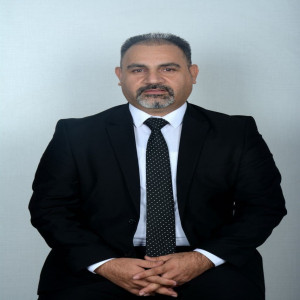
• After graduating from the College of Medicine at the University of Duhok, I worked in several hospitals, including Azadi Teaching Hospital, Heevy Pediatric Hospital, Duhok Emergency Hospital, Zakho Emergency Hospital, Akre General Hospital, and the Preventive Department as a Junior House Officer. During this time, I learned various medical and surgical procedures and gained valuable experience. • As a Senior House Officer in Hematology and while pursuing my Diploma in Clinical Pathology and doctorate in hematopathology from the Kurdistan Board of Medical Specialities, I acquired extensive knowledge in multiple laboratory areas, including Hematology, Biochemistry, Microbiology, and Histopathology. • I have also worked in various laboratory disciplines at King Hussein Medical Centre in Amman, Jordan, where I gained significant experience in multiple laboratory departments, including molecular biology, karyotyping, oncology, thalassemia, and the Bone Marrow Transplantation Centre. • My daily responsibilities in the laboratory included supervising Dr Shakir's medical laboratory, conducting slide sessions, performing bone marrow aspirations and biopsies, and working with both manual and automated procedures in hematopathology, coagulation, hemoglobinopathies, biochemistry, and microbiology. • I served as the supervisor and manager of the Zakho Emergency Teaching Hospital Laboratory, the Premarital Screening Center, and the Blood Bank Center for seven years. • Afterwards, I became the Director of the Zakho Health and PCR Center during the COVID-19 outbreak, a position I held for 2.5 years. • Currently, I am an Assistant Professor of Hematopathology at the College of Medicine, University of Zakho.
Member of Iraqi chemical pathologists, 2022
2022-02-01,currentMember of Iraqi Society of hematology, 2017.
2017-04-01,currentMember of Kurdistan Society of Pathology, 2017.
2017-03-01,currentMember of Kurdistan Physicians Syndicate Duhok, Registration No.:2198
2006-05-27,currentبەروار: 2025-10-12